History

The background and activities of the three constituent divisions of the Research Institute for Energy, Water, and Environmental Technologies are as follows.

The first division of the Research Institute for Energy, Water, and Environmental Technologies was established in 2004 (1383 in the Iranian calendar), and the formation process of this institute is outlined below. In 1992 (1371), to implement the “National Comprehensive Energy Plan” project, the Comprehensive Energy Studies Group was formed based on a contract between Sharif University of Technology and the Management and Planning Organization. This project marked the beginning of the establishment of the Research Institute for Energy Technologies. In 1995 (1374), with the support of the Management and Planning Organization and JICA-Japan, the Mobile Energy Efficiency Laboratory was launched. In 1997 (1376), the Comprehensive Energy Studies Group successfully completed the “Energy Subsidy Reallocation Project” for the Ministry of Petroleum, aimed at targeting energy subsidies. This achievement led to the promotion of the Comprehensive Energy Studies Group to a research institution, the establishment of the Energy Systems Engineering master’s program, and the creation of the Research Institute for Energy Technologies. In 2004 (1383), with the support of the Ministry of Petroleum, the building of the Energy Research Institute was constructed. Furthermore, under a memorandum of understanding between the National Iranian Oil Company and Sharif University of Technology, it was agreed that the Research Institute for Energy Technologies at Sharif would organize a research group in the field of energy modeling, and the National Iranian Oil Company would participate in the institute’s Strategic Council.

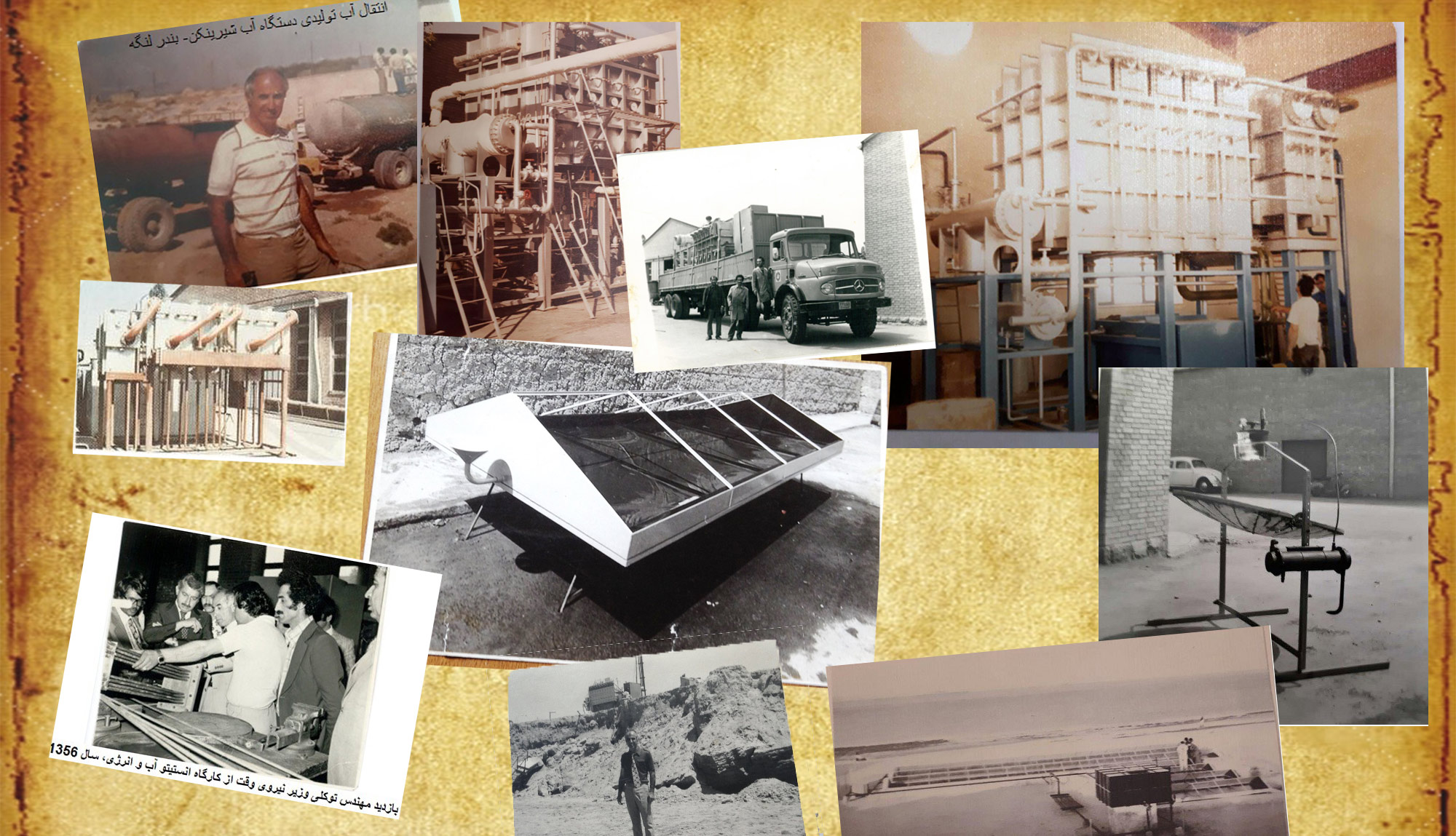
انستيتو آب و انرژي با هدف توليد، توسعه و بهبود فناوری نمک زدایی آب همراه با آموزش کادر متخصص و ارایه خدمات فنی و مهندسی در سال 1346 با هيات امنا و بودجه مستقل تأسيس گرديد. فعاليت های این مرکز با اجراي طرح نمك‌زدايي خورشيدي در جزيره هنگام شروع و با طراحي و ساخت انواع پايلوت هاي آب شيرين‌كن خورشيدي، تبخيري و اسمز  معكوس و همچنین آب گرمكن خورشيدي ادامه يافت. با تجهيز آزمايشگاه و كارگاه مورد نياز براي ساخت سامانه های نمک‌زدایی آب تا ظرفيت 500 متر مكعب در روز، امكان حركت در مقياس صنعتي نیز فراهم گردید و اجراي پروژه‌هاي متعدد صنعتي در دستور كار قرارگرفت. حاصل اين تلاشها طراحي، ساخت، نصب، راه‌اندازي و نگهداري دستگاههاي نمك‌زدايي آب در بنادر و جزاير جنوب كشور طی سالهاي 1352 تا 1368 بود. هم اکنون این مرکز به عنوان قدیمی‌ترین مرکز نمک‌زدایی آب در منطقه خاورمیانه با توجه به ارتباطات گسترده بین المللی فعالیتهای تحقیقاتی و صنعتی بسیار گسترده‌ای را در این حوزه انجام می‌دهد.  در کنار فعالیت های مرتبط با حوزه نمک زدایی آب، با توجه به رشد صنعتي كشور و بروز و تشديد مشكلات محیط زیستی، از سال 1368 تلاش هاي محققين و مهندسين اين انستيتو بر روي سيستم­ هاي تصفيه بي‌هوازي فاضلاب هاي صنعتي ساده و ارزان قیمت نیز متمركز شد؛ که حاصل اين فعاليت­ها، بومي‌سازي تكنولوژي طراحي، ساخت و بهره‌برداري تصفيه‌خانه‌هاي صنعتي براي صنايع مختلف از جمله كشتارگاه ها، صنايع قند، كارخانجات الكل‌سازي و صنايع شير بوده است. طی چند دهه فعالیت در زمینه‌ آب و فاضلاب، این مرکز در سال 1381 موفق به دریافت گواهی نامه آزمایشگاه معتمد از سازمان حفاظت محیط زیست شد. آزمایشگاه آب و فاضلاب انستیتو با برخورداری از دستگاه‌ها و تجهیزات آزمایشگاهی همچون اسپکتروفتومتر، جذب اتمی وامکانات آزمایشگاه صحرایی علاوه بر نیازمندی های آزمایشگاهی و تحقیقاتی حوزه آب و فاضلاب توانایی ارائه خدمات آزمایشگاهی به طرح‌های مشاوره‌ای و اجرایی را نیز دارا می باشد و بر آن است تا با اجرای دقیق ضوابط کنترل و تضمین کیفیت و بهره گیری از آخرین روش های نمونه برداری و آنالیز در کنترل و حذف آلاینده های محیطی، گام های موثری را در جهت حفظ و پایداری محیط زیست بردارد.  علاوه بر فعالیت در حوزه آب و فاصلاب، با توجه به فراگير شدن معضلات آلودگي هوا در سطح كشور، فعاليت هاي پايلوتي تحقيقات كاربردي بر روي استفاده از فناوری­ های تصفيه آلاينده‌هاي اتمسفري صنايع نیز از دهه 70 در این انستیتو آغاز گردید. آزمایشگاه هوای این مرکز با مجهز بودن به دستگاه‌های کنترل کیفیت هوا از قبیل دستگاه سنجش گازهای خروجی دودکش جهت سنجش غلظت گازهای مختلف، دستگاه اندازه‌گیری میزان هیدروکربن‌های فرار (VOCs)، دستگاه‌ اندازه‌گیری گازهای آلاینده محیطی شامل NO2، SO2 و CO  همراه با سنسورهای هواشناسی جهت سنجش سرعت و جهت باد می کوشد تا با ارایه راهکارهای کنترلی و اصلاحی مناسب به واحد‌های صنعتی و خدماتی به حفظ و صیانت از محیط زیست یاری رساند.  همزمان با اين فعاليتها اقداماتي نيز در زمينه ساخت سنسورها و ابزار دقيق اندازه‌گيري آلاينده‌هاي محيط زیستی در سال 1368 صورت گرفت. طراحي و ساخت سلول‌هاي خورشيدي فتوولتائيك از زير لايه‌هاي سيليس و گاليوم آرسنيد، يكي ديگر از فعاليت‌هاي انجام گرفته در بخش انرژي در این انستیتو بوده است. زمينه ديگر فعاليت اين مركز استحصال تركيبات معدني از آبهاي شور مي‌باشد که اخیرا در انستیتو آب و انرژی با همکاریهای گسترده داخلی و خارجی در حال انجام می باشد.  با شروع فعاليت ستاد توسعه فناوري آب، خشکسالی، فرسایش و محیط زیست در معاونت علمي و فناوري رياست جمهوري، تفاهمي مابين دانشگاه صنعتی شریف و ستاد مربوطه انجام شد و كارگروه آب ستاد فوق، در اين انستيتو مستقر گرديد. با توجه به تغییرات اقلیمی و بروز پدیده خشکسالی در سالهای اخیر، بخشی از فعالیتهای این مرکز نیز به سمت تدوين سند راهبردي توسعه فناوري‌هاي آب، خشكسالي، فرسايش و محيط زيست سوق پیدا کرد. در مسير تدوين اين سند، در ابتدا اقدام به تدوين سندي براي فناوري هاي مرتبط با چالش خشكسالي گرديد كه بر اساس آن در مهرماه 1392 روش شناسي تدوين سند فناوری‌هاي راهبردي آب توسط كميته راهبري ستاد آب، مصوب و پیش­نویس سند در تیرماه 1393 ارایه گردید.  برای اطلاعات بیشتر در خصوص فعالیت‌های انستیتو به صفحات مرتبط رجوع فرمایید.


The Water and Energy Institute, as the second division of the new Research Institute, has a history of more than 53 years. The Water and Energy Institute was established in 1967 (1346 in the Iranian calendar) with the aim of producing, developing, and improving water desalination technologies, along with training specialized personnel and providing technical and engineering services. The activities of this center began with the implementation of the “Solar Desalination Project” on Hengam Island and continued with the design and construction of various pilot plants for solar, evaporative, and reverse osmosis desalination, as well as solar water heaters. By equipping the necessary laboratory and workshop for building desalination systems with a capacity of up to 500 cubic meters per day, industrial-scale operations became possible, and numerous industrial projects were initiated.

As a result of these efforts, desalination devices were designed, built, installed, operated, and maintained in southern ports and islands of the country during the years 1973 to 1989 (1352–1368). Alongside the activities in the field of water desalination, and considering the country’s industrial growth and the emergence and intensification of environmental problems, since 1989 (1368), the researchers and engineers of this institute have also focused on simple and low-cost anaerobic wastewater treatment systems for industrial effluents. The outcomes of these activities included the localization of technologies for designing, constructing, and operating industrial wastewater treatment plants for various industries, including slaughterhouses, sugar factories, distilleries, and dairy industries.

Through several decades of activity in the field of water and wastewater, this center obtained the certification of a recognized laboratory from the Department of Environment in 2002 (1381). In addition to its work in the water and wastewater sector, due to the increasing air pollution problems across the country, pilot-scale applied research on air pollutant treatment technologies for industries began in the 1990s (1370s) at this institute. Simultaneously, actions were taken in 1989 (1368) in the field of developing sensors and environmental pollutant measurement instruments. The design and construction of photovoltaic solar cells using silicon and gallium arsenide substrates was another energy-related activity carried out at this institute.

In 2011 (1390), with the establishment of the “Water, Drought, Erosion, and Environment Technology Development Headquarters” under the Vice-Presidency for Science and Technology, an agreement was made between Sharif University of Technology and the mentioned headquarters, and the Water Working Group of the headquarters was based at this institute. Considering climate change and the occurrence of drought phenomena in recent years, part of this center’s activities was directed toward drafting a strategic document for the development of technologies related to water, drought, erosion, and the environment. In the process of preparing this document, an initial framework was first developed for technologies related to drought challenges, based on which, in October 2013 (Mehr 1392), the methodology for drafting the strategic document on water technologies was approved by the Water Headquarters Steering Committee, and the draft of the document was submitted in July 2014 (Tir 1393).

The Biotechnology and Environment Research Institute constitutes the third division of the Research Institute. It was established in 2011 (1390 in the Iranian calendar) with the aim of enhancing environmental research within the university, creating a suitable foundation for implementing applied projects, attracting and training researchers, transferring technical knowledge, conducting scientific and research studies in all fields related to the environment based on the essential needs of the country, and establishing effective communication with the Department of Environment and relevant ministries to assist in identifying and solving environmental issues.

Among the activities of this research institute during its operation are holding specialized meetings in the fields of biotechnology, wastewater reuse, and air pollution; organizing training courses for managers and industry experts; and conducting educational workshops.